I hope you will bear with me for a rather long post. Let’s exercise that scrolling finger! This one will be about the school itself and considering the school is the main purpose of my whole trip there is a lot to unpack. I tried splitting this post into multiple sections but I found that there wasn’t a satisfying way to do so. I estimate a 20 minute read.
Transitioning from the morning routine into a regular school day, the temperature will have already begun to rise. For the first 6 weeks I found the temperature to be constantly comfortable but since then I have acclimated to the fact that ‘winter’s cold’ here means anything less than 20°. I am not looking forward to October and November when I hear that ‘hot’ means a blistering +40°. I think I might melt.
The nights are usually hovering around 10-15° which as I said used to feel very comfortable to me but now feels like a swim in a cold lake on a cloudy spring day. Fortunately, by the time the students begin to enter their classrooms the temperature has already risen about 5°. The sun has only been up for an hour or so but does it’s job very quickly. If it’s cloudy at all, which is very rare, the temperature will rise very sluggishly and never feel hot. Already it is usually hot enough to feel the back of your neck prickling wherever it is exposed.
The first time I feel the heat in the morning is as we walk to the classroom block. During these few minutes the teachers and students will talk about the upcoming day or last nights homework or make jokes with each other. It is a nice opportunity for everyone to build a bit of relationship and trust. The satisfaction of becoming a trusted member of this community is invaluable and very gratifying. I feel that I am building something of importance like a gardener might when planting seeds.
Then comes the classroom entrance ceremony. I say ceremony tongue in cheek but it feels a bit like one when every morning the students line up by gender in front of their classrooms and wait for the teacher to check that they have completed last nights homework. It is a bit redundant since the first thing they do after entering the room is to place their homework books on the teacher’s desk, but I suppose it is the implicit threat of humiliation in front of their friends if the homework is not completed that serves a purpose.
Before I tell you what classes at MICS are like, let me first describe what a typical Zambian school might be like. Compared to MICS with its 150 or so students, on a relatively large campus for that number of pupils, other schools I’ve visited have had closer to 500 students in the same or smaller footprint. The girls high school in the area, ‘Macha Girls School’ is a well known and respected school with close to 1000 students in the space of 3 or 4 soccer fields. At least a part of the reason for the success of MICS so far is that the classes are kept so small. MICS enjoys a teacher to student ratio of around 2:15 and we have a maximum class size of 25. This has translated into excellent results of the national grade 7 exam, especially when compared to other primary schools is the area where the teacher to student ratio often exceeds 50:1.
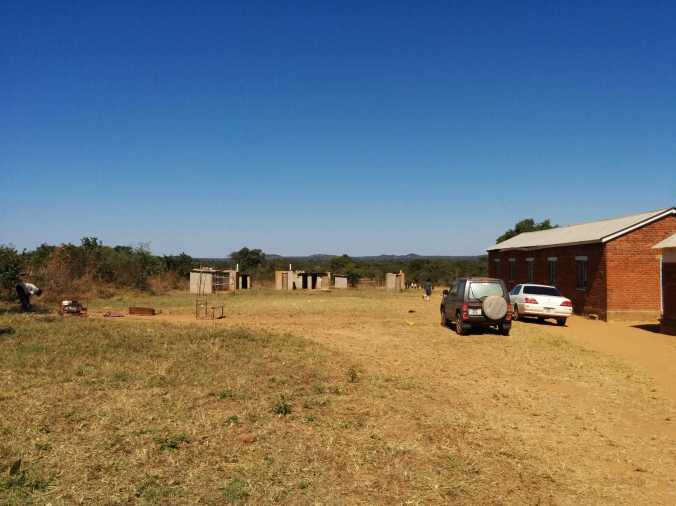
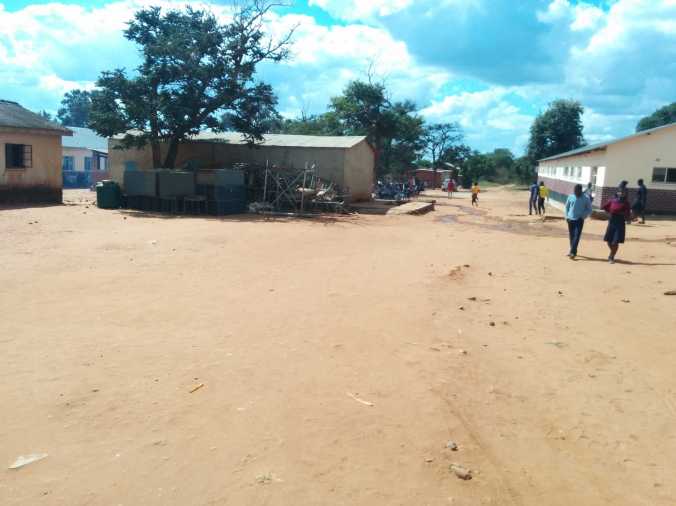
This is an outside shot of the Government run Mission Vocational school in Macha. It has students from pre-reception to grade 9

There is no space meaning each class has around 50 students.
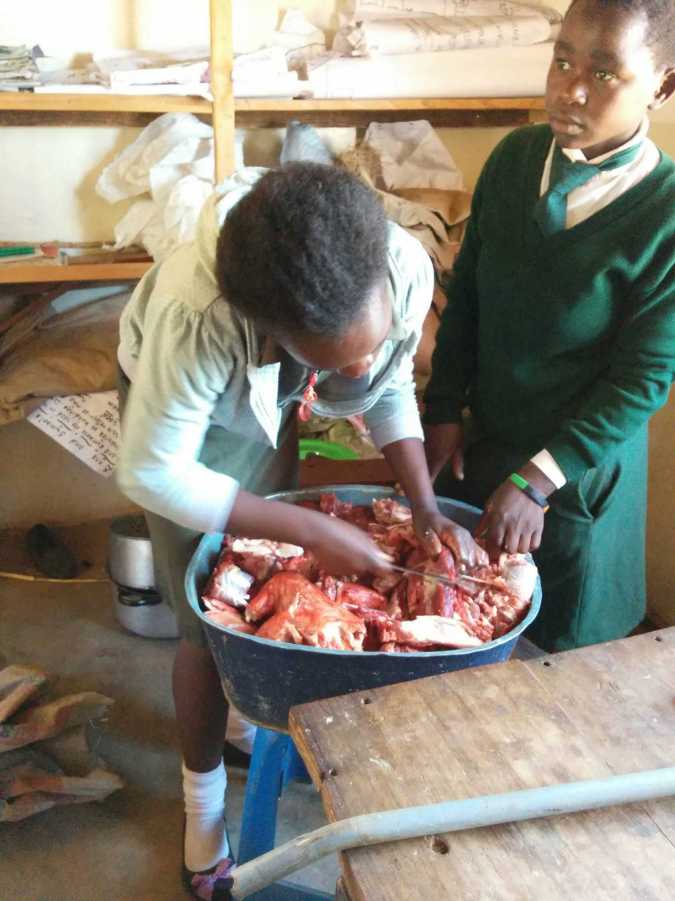
These two girls are preparing lunch for the students. That is chicken I think.
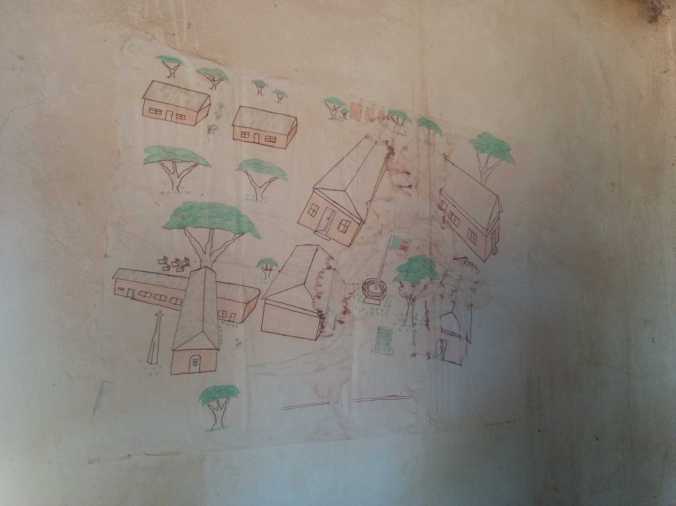
This is a student drawn map of the school. The buildings are

I tried taking this surreptitiously while on a tour of the school. The others didn’t turn out and this shows about a quarter of the class.
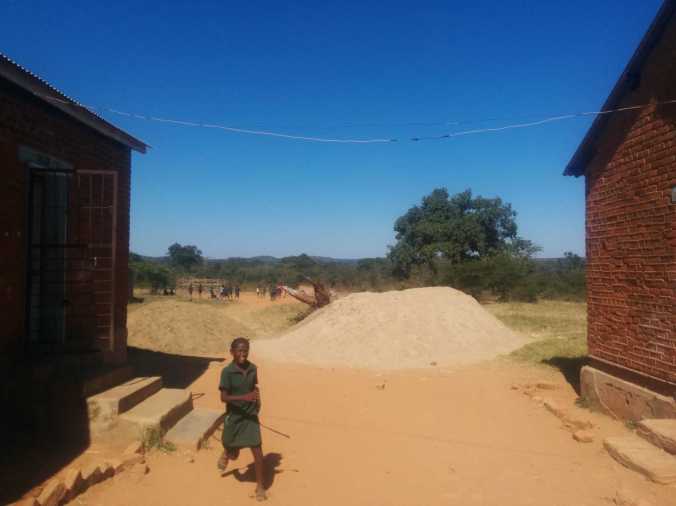
The view is nice though.
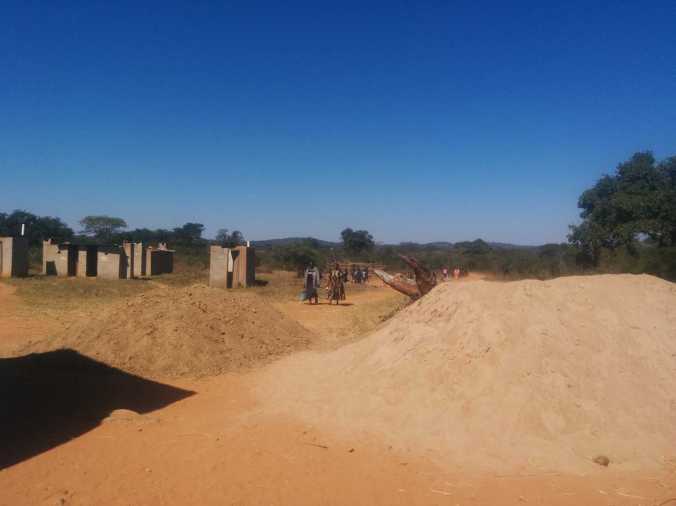
Those are the toilets. Long drop plumbing.
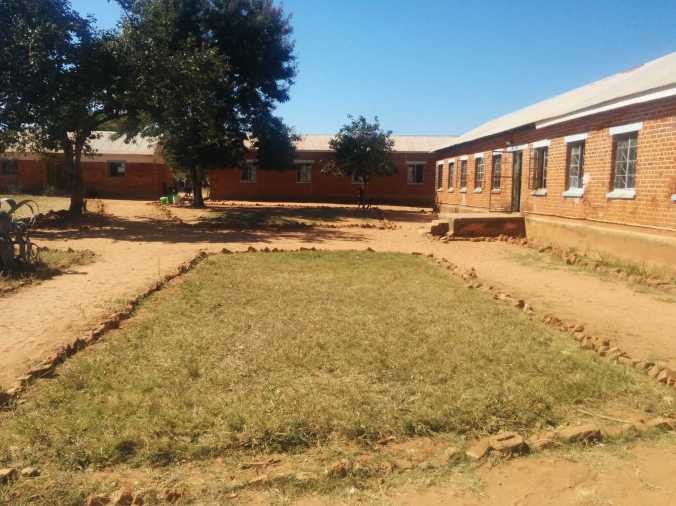
The building on the right was built in the 1940’s using mud bricks and mortar. It is in need of repair.

This is on the veranda of the newly built computer lab building. It only lacks computers and wiring thus far.
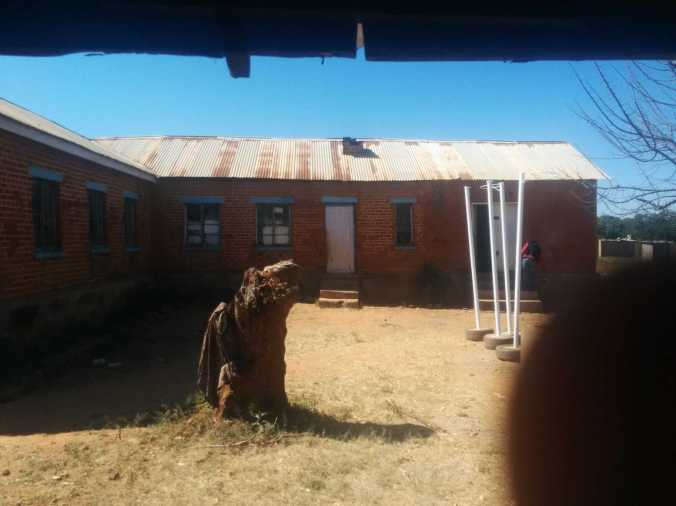
This is the back side of the 40’s era building. It used to serve as the girls dromotory until there was no longer a boarding program here and now serves as meal prep area.

I’m glad I had good company on the tour because we together asked more and better questions than I would have had I been there on my own.
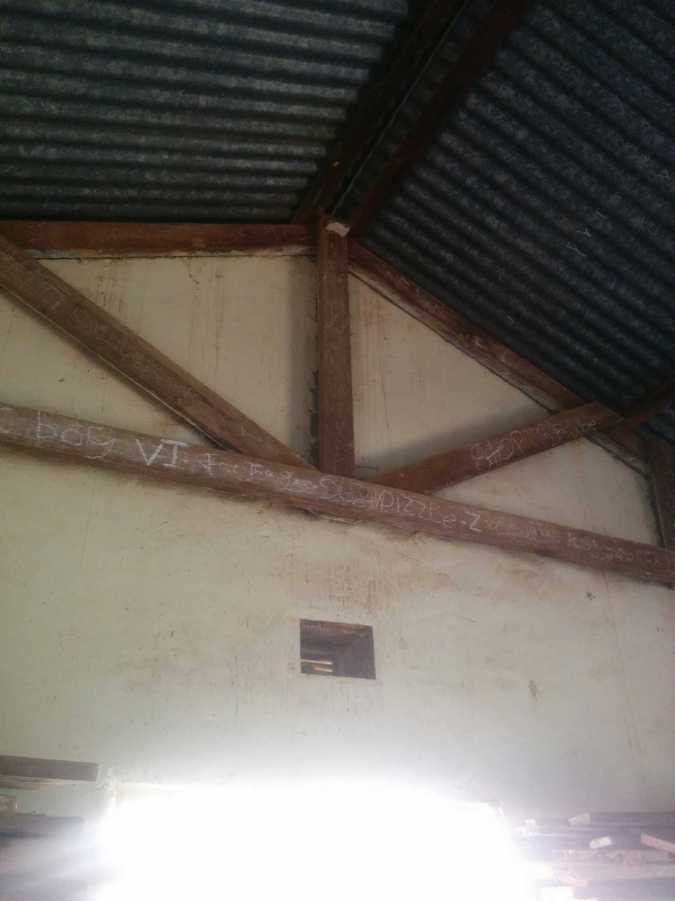
Graffiti was everywhere it could be. From the obvious places here.
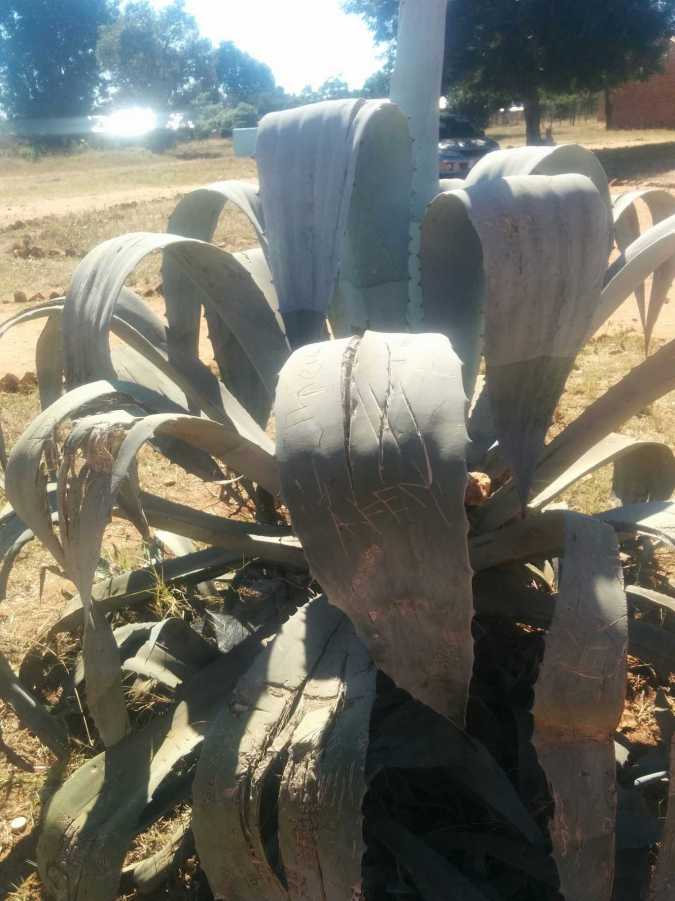
To the very creative spot here.
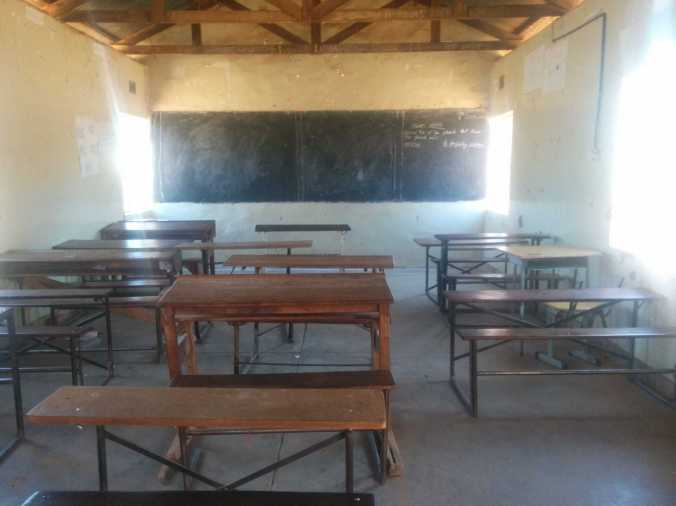
This was the smaller grade 9 class. It was empty this day because the teacher hadn’t shown up.
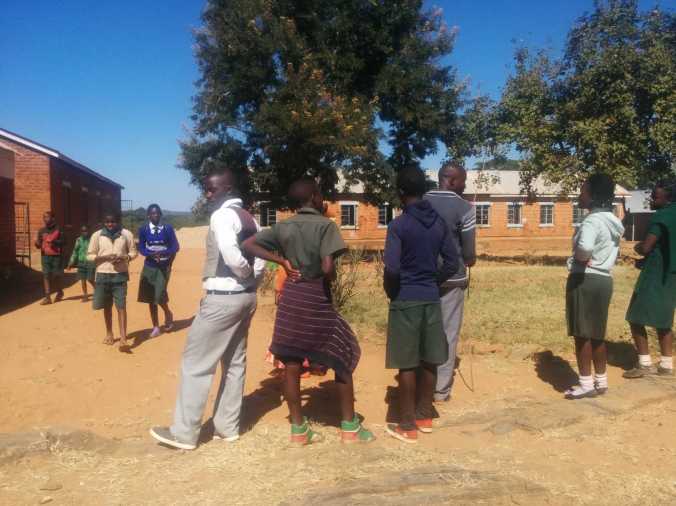
Which might explain all these students just milling about.
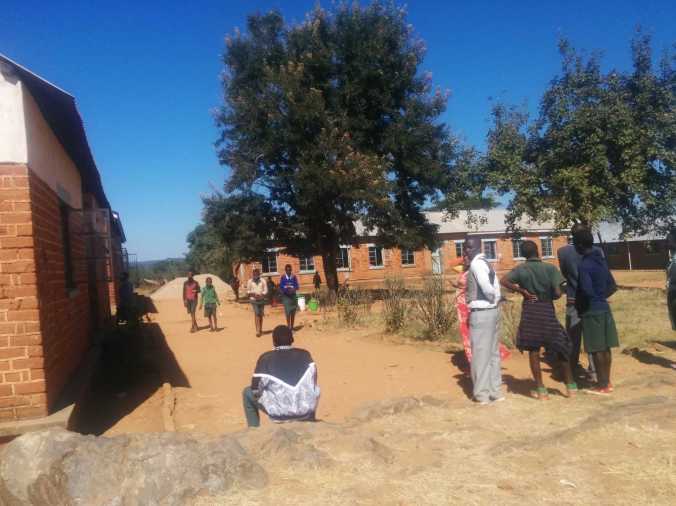
Wanting to learn but not being able to.

This is a better shot of the outside of the vocational school.
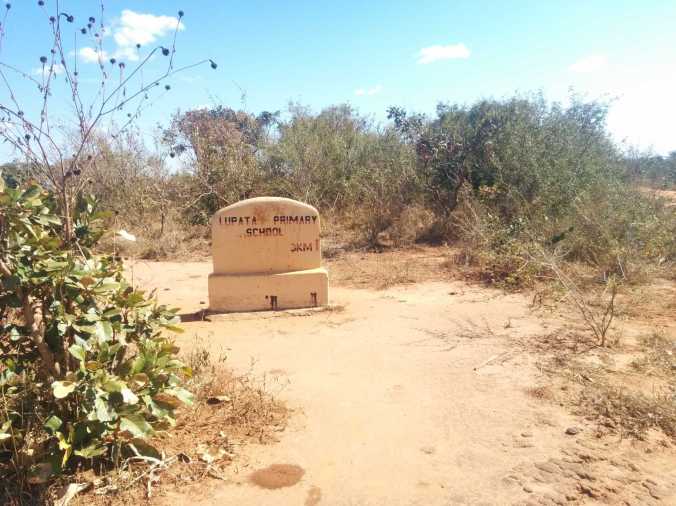
On a lonely foot path, between the market and the hospital is this stone marker, placed to let students know they are on the right path on early morning commutes.
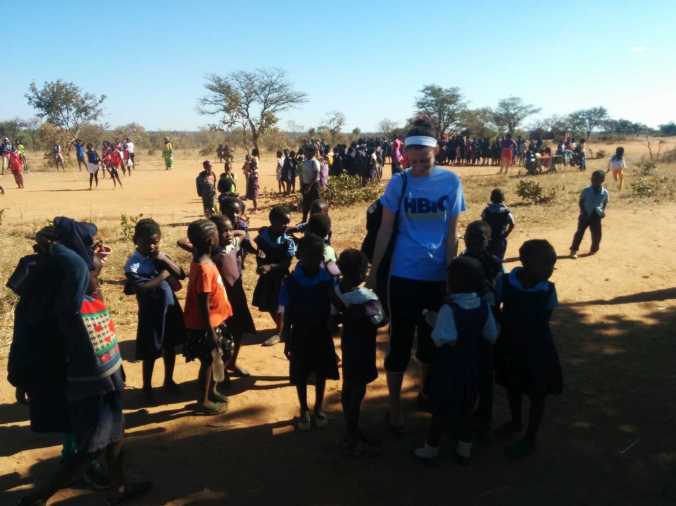
The lack of diversity at rural government schools means that when a differnt ethnicity is present at these schools there is a bit of a commotion.my colleague Sarah is enjoying quite the celebrity moment during our visit here.
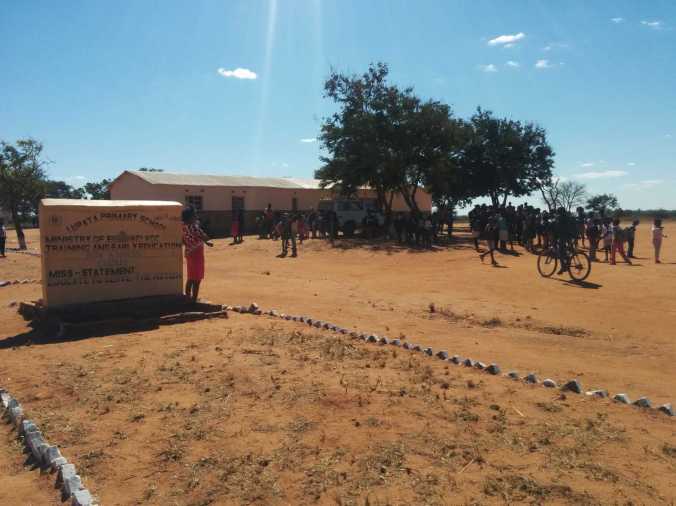
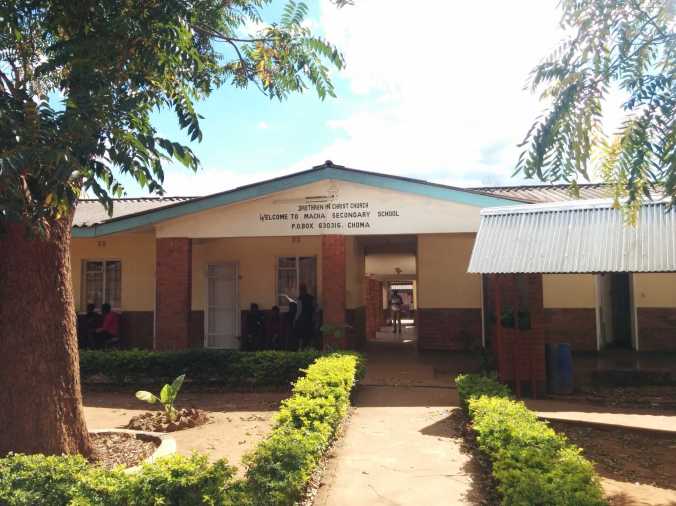
Macha girls is quite well known. between 500 and 1000 girls attend high school here. You still have to send mail to Choma to get it here. We are well off the grid.

They held a cultural festival which explains the presence of men (including myself) on campus, but this is to give you a sense of the size of the campus.
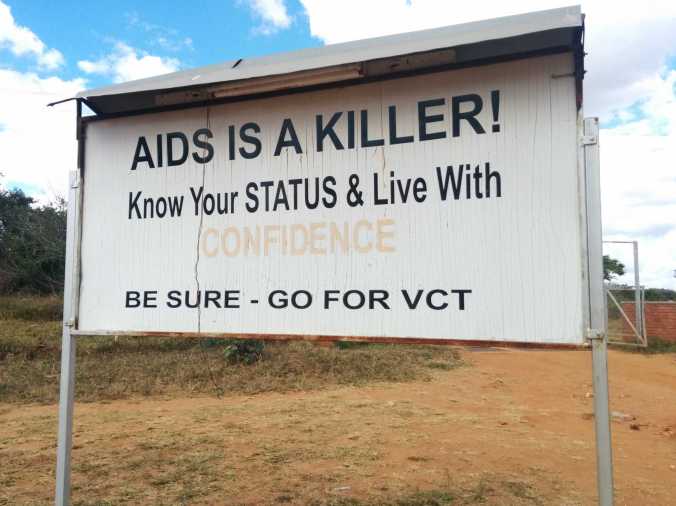
The biggest sign when entering and leaving the school.

You tend not to shy away from sex-ed when you and everyone you know, knows someone suffering from AIDS and you are responsible for the well being of a large group one of the main vectors through which the infection is spread. Sometimes by force.

Auditorim and classroom block at Macha girls.
Zambia has a tiered education system starting form the earliest grade level all the way to university. This means that your educational potential often has more to do with the circumstances of your birth than your ability to learn. Schools are either ‘vocational’ (read applied) or ‘preparatory’ (read academic). Most rural schools are vocational. Vocational school to grade 7 in ‘mandatory’ for all children although the meaning of the word mandatory seems to be a point of contention. Some children do not start school until a certain viability is determined by the parents. Infant mortality is a reality that must be considered when you are supporting a family on the product of your small farm with common and deadly diseases and animals posing an almost constant threat and medical care perhaps an hour or more away. Some children do not begin formal education until the needs of the family farm are met. School can be an imposition on the labour of their children the parents do not understand the need for. The result is that the range of ages in any given grade in primary schools can be wide. Our grade seven class has some 12 year-old students mixed with 17 year-old boys in their last year of eligibility for the grade 7 test. At least we think that they are 17; age is a difficult thing to know for certain when official documents a re fudged whenever it’s convenient. TIA
It was at a vocational school that I encountered this somewhat concerning cultural peculiarity of Zambia that may go a long way to help understand some of the chronic problems Africa faces. After primary school students must write a grade 7 test to be admitted to any higher schooling. They must score in excess of 750 points out of a possible 1000 for acceptance into most schools. The test is designed to be passed at 40% and the average student should be able to get 50% on it.
| GRADE | PERCENTAGE MARK RANGE | STANDARD |
| 1 | 75 and Above | Distinction |
| 2 | 60-74 | Credit |
| 3 | 50-59 | Clear Pass |
| 4 | 40-49 | Pass |
| F | 0-39 | Fail |
For those reading this closely that does in fact mean that the goal is to have 25% of grade students receive actual spots in grade 8 schools. Despite the fact that nearly 60% pass and only 10% fail the number of available spots is up to the schools and who can pay tuition or apply other less academic skills.
When asked how his students had done of the national entrance exam, the school’s deputy administrator introduced me to a new Tonga expression: “busyu a busyu.” Or more to say it more completely “Ndiyanda kui tubonana busyu a busyu.”. It means face to face, or “Let me speak to you face to face.” The expression refers to the fact that when two people speak face to face the human element makes a denial of services more difficult, especially when there is an implied quid pro quo. The implied exchange is obviously a bribe. The school official was in the process of telling us that of the 50 or so students who wrote the test only 2 failed and 10 passed with more than 750, enough to be accepted into the national schools Then he seemed to get confused because the next thing he said was that 23 passed but got below 750. I still don’t know what happened to the other 15 students. Even if he was telling us accurate numbers and his school is beating the national average by that degree, the 23 who passed but didn’t pass into eligibility for actual grade 8 placement will have to rely on their busyu a busyu to get into school past grade 7. Think about who you were when you did grade seven and tell me if you think that is a good time to decide if more school is a good thing for you or not: Preposterous! The fact is Zambia doesn’t have enough space in it’s schools to educate those who aren’t very dedicated and demonstrably capable of learning by grade 7.
The conditions at these schools can approach dangerous. The act of walking to school alone can entail certain risks. One of the middle schools in the area had a girls hostel built in 2012 in order to provide a place for the girls to stay where there wasn’t a constant threat of rape due to having to find a place to stay nearer to the school than their homes. Until that time girls had to live in the village with anyone who would take them and obvious problems arose from that. When at school the food is prepared by hand in unsanitary conditions and students are seen milling about at all hours of the school day perhaps because one of the teachers decided to not show up that day. Still going to school is less dangerous than staying at home or working in the fields.
Their day will be filled by writing down notes from the board for rote memorization. There are a great many hold overs from the British industrialized education system of before the 1960’s. The greatest goal is conformity and even still things like asking questions, being left-handed and having a speech impediment are seen as signs of disrespect and a lack of discipline.
The teachers at these schools teach the exam and the main textbooks are past year’s exams. There are students who will memorize the order of multiple choice answers rather than the content of the question so they might end up missing any given question and get all subsequent answers wrong. There are students who will know that any question that asks about the capital of Zambia they are to circle c and only c. This means that even a student who knows that Lusaka is the capital will circle c on that question despite it perhaps reading Kitwe or Livingstone. Critical thought is seemingly actively deterred.
MICS is such an unusual place in Zambia. It’s a bastion of caring, quality education in a very remote place. Literally across the street is a gravel quarry where mothers will work in the sun all day breaking stones into various sizes and selling them by the barrel full for pennies in order to supplement the meagre income of their farm. In the nearby market people will burn wood to create charcoal to sell and garbage for heat. MICS is an oasis within an oasis. Macha is blessed to have a very advanced hospital and research station set up by BIC. They have a dam and plumbing and power and other luxuries that are very rare outside of cities in Zambia. These two institutions really drive the local economy. Expats and an ever increasing number of Zambians and locals work there and spend government salaries in the local community.
MICS is one of the few places that has fairly reliable electricity and constant access to clean water from it’s onsite well. It is fenced in and even has security guards on duty at night providing a measure of safety that is very unusual for a primary school. It has internet access when there is power and plumbing in the student toilets. Couple that with the fact that boarding students have a male and female chaperone and two additional chaperones from outside Zambia help make MICS a truly unique and positive place to be educated. I am proud to be a part of it.
MICS also has a more modern curriculum than the other schools in the area. We are attempting to make lifelong learners and critical thinkers that will be able to engage with an ever changing world. Expats for the most part send their children here which has an added benefit for all the students of providing a less homogeneous cultural experience. In my opinion the vaccine for ignorance is diversity of experience. Ignorance is a disease like any other in that it can be cured with the right tools. It is for all these reasons that demand for spots in the school is rather high.
Hopefully that might explain why when I look at my grade 6 class lining up to show me last night’s work or the grade seven class beside them that I tutor, I see a range of ages from 17 to 10 years old. I hope you can imagine the interesting classroom dynamics that creates because they are almost a constant source of entertainment and worry.
Since I am teaching math and reading everyday to the grade 6’s I am responsible for about half their homework. The other half is Spelling and English. They rarely have homework in their Social Studies, Bible, Science or Chitonga classes. The reason for this is that there is enough time in these classes that they can for the most part rely on studying their notes from class to get the content of these classes understood well enough for the tests on Friday. Math, Spelling and Reading however, require a certain amount of repetition and added individual working time to understand or at least memorize.
Every week there are 20 new words to spell and they usually have some trick of English in common. Double consonants, ending in ‘-tion’ and other such quirks make for a fairly robust course from the high quality spelling skills I see in most students. It is usually easy to tell which students have put in the effort of actually knowing what each new word means rather than simply copying them out the required five times each every day. Those who do can almost invariably get perfect on the test and those who don’t tend to struggle. For this reason spelling is my favourite class to mark. I usually get to just make a lot of check marks and write ‘Excellent!’ 🙂 which is a very nice feeling.
Bible and spelling class lasts until 9:00 and Bible class is worthy of it’s own post on Zambian religious and spiritual practices. I’ll skip it here and write about it again when I feel I have a better grasp on what I want to say on the subject.
If Zambia has a great flaw in their education system, it is how they teach math. In every school I have visited so far and every teacher I have spoken with, math is understood to be the least liked and most dreaded subject. Students and teachers alike hate it. The reason is that it is taught by archaic rote memorization of methods that work only when the question is asked the same way that the teacher asks it in class. As far as I can tell there is almost no effort made by the ministry of education to teach transferable problem solving skills. I gave a test on place value which they were taught in grade 3. The questions were basic number reading ones as in; ‘What is this number in words? 4325’. I would get answers like; “four ten thousands twenty five three thoundred and four.” No, thoundred is not a spelling error; I’ve had to teach students that there is no place value called thoundred. They thought it came somewhere between hundred and thousand and ten thousand. They couldn’t read numbers or recognize the value of any given number beyond 1-10. When teaching on fractions I have found students who would have no problem finding what a quarter plus a quarter is but would be completely flummoxed by
.25+.25 or worse still where to put a decimal when multiplying .25x.5.
Applying skills learned in one setting to another is a skill that is seemingly absent from their math education and unsurprisingly it is lacking in other subjects as well. Math is taught until 10:00 then we transition into reading where the main focus of the grade six class has been getting them to engage with their books as more than simple vehicles to learn English. I noticed that other than an unfamiliarity with some vocabulary that I wouldn’t expect a grade 4 Canadian to know the students are for the most part rather proficient readers and so they had begun to become bored on a diet of read-aloud to the class. I am very proud of the debates and book reports that I have assigned and the kids seem to love them as well. When teaching from the ministry English or reading books, I was stuck with a sense of frustration that every single story was attempting to be a moral lesson mixed with a grammar lesson. I have been spending one day a week simply teaching the grammar and the rest of the week encouraging the students to find books from MICS’s library to read and explore on their own. Not every school has a library and the students desperately want to spend time reading. I have been pleased at the improvements I have seen in confidence and problem solving and the carry over effect of allowing debate between students and teachers has been apparent in other classes as well.
I think that while math is an essential ‘hard skill’ that will be one of if not the most important factor in a given students future success, the ability to critically read and infer their own conclusions from all sources is the skill that enables learning and retention and desire to become more knowledgeable. I am very happy that I have been allowed to step in with this class in particular. My grade sixes have had a tough go of things for the past two years. They have had a few of their teachers changed and shuffled around for health reasons. The resulting lack of continuity has disrupted their learning and while I am a continuation of that I also see my presence here as an opportunity to provide a little of the diversity of experience that I was talking about earlier.

Lining up for the ‘classroom entrance ceremony’

Class size is less than 25.
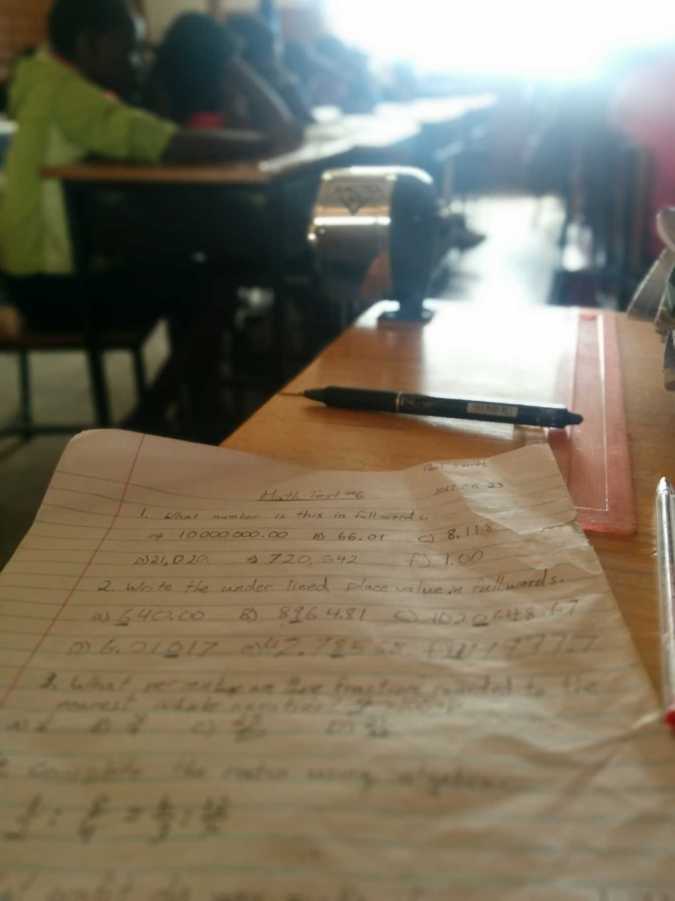
Some of the math questions on the upcoming test.

These are the expectation I developed for the quarter finals of the grade 6 book debates.
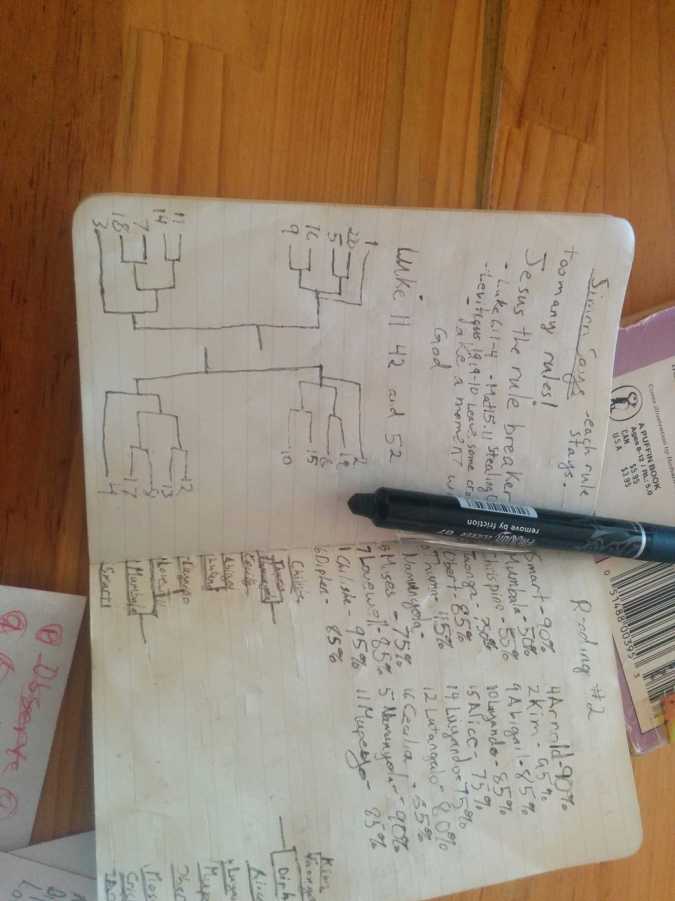
my bracket for the debate tournement. First prize is a handful of candy.
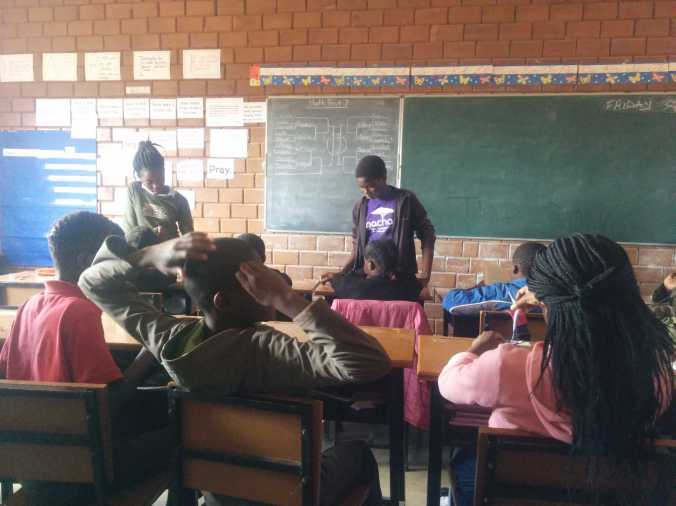
One of the debates in progress Namuyola on the right against Cecilia. Namunyola’s initial presentation was stronger but Cecilia debated more effectively and the class voted her through to the next round.
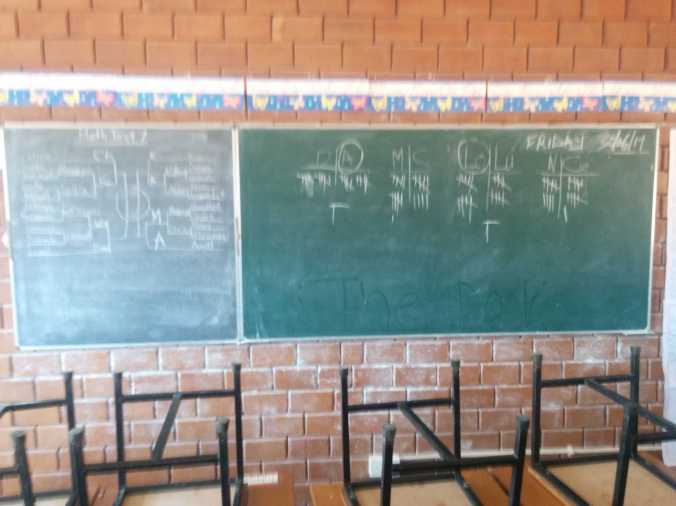
It was very a tight voting margin.

Some note style teaching
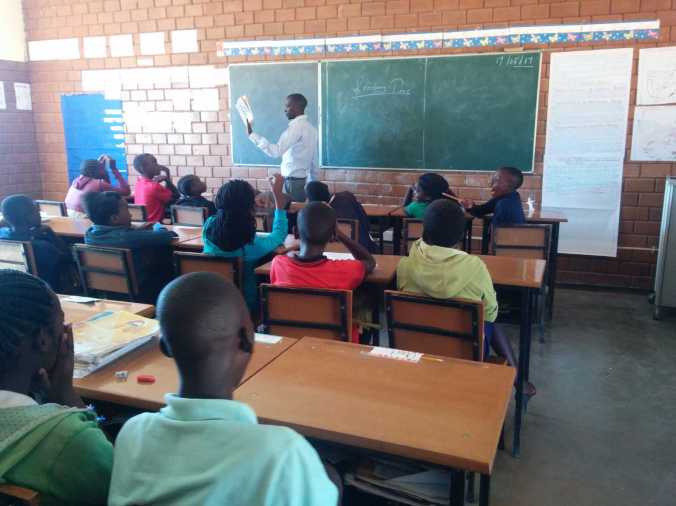
Some lecture style teaching

I helped cover an activity room period where I told the kids to get creative with thier drawings. The results were very funny.
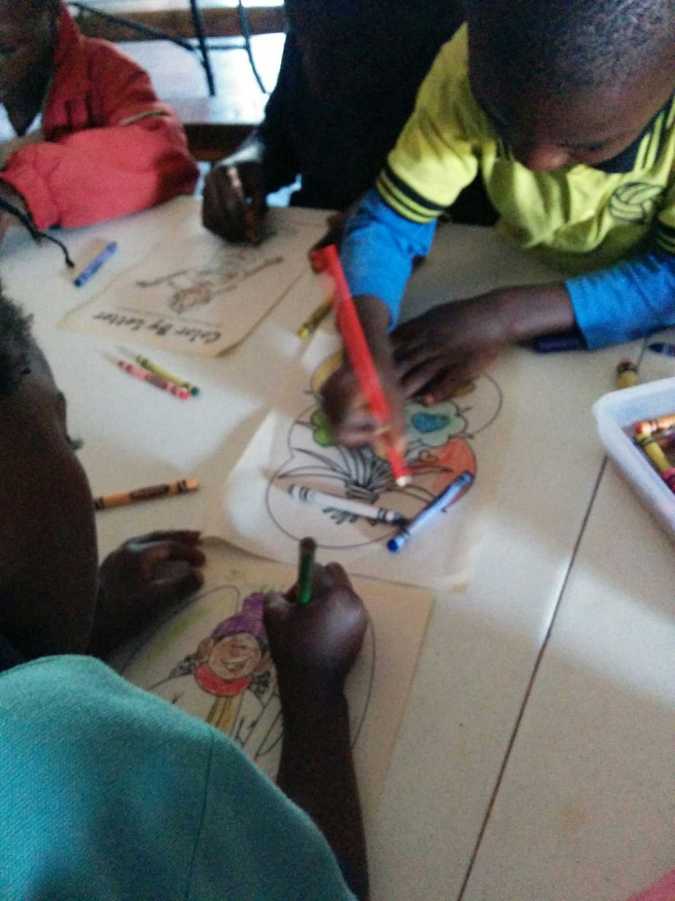
Creativity encouraged!

I just had to include this. He’s definitely one cool customer.

They were a lot less quiet then this picture might indicate.

This might show some more of the chaos.
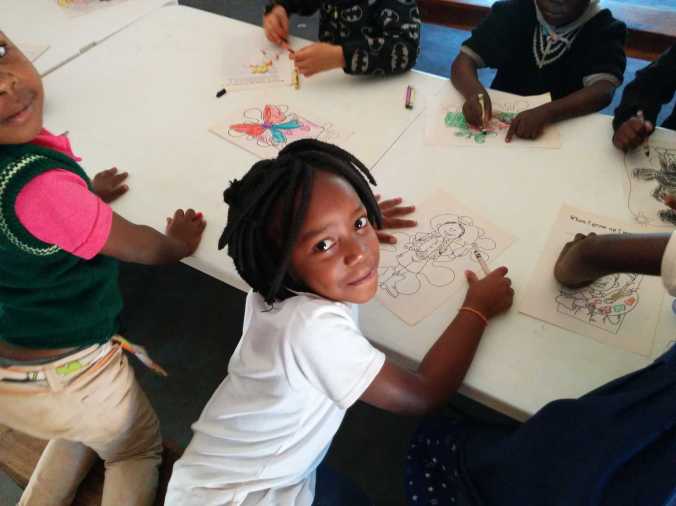
For the most part I have not been hanging out much with the younger students but I really chrished the opportunity to do so when I could.
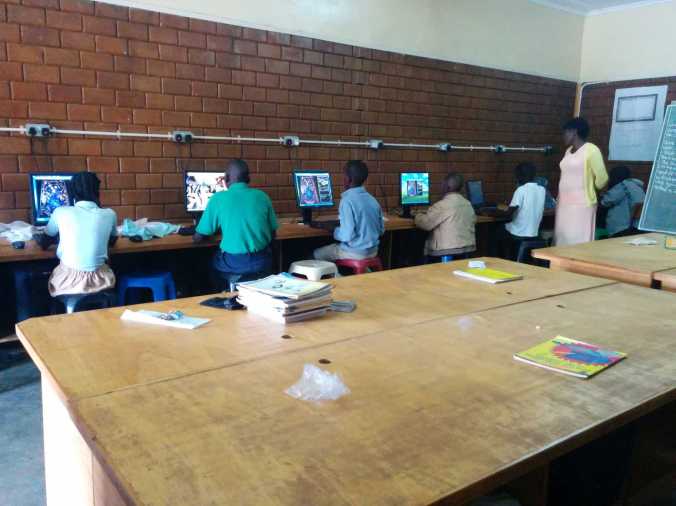
MICS has a very capable computer lab. I haven’t worked here as much as I thought I would be yet but I know I will if I’m needed.

This is Stain Mula one of the two security gurads. He and Tanford are good friends of mine. We sit by the fire and chat a few time a week. The security they provide for the kids should not be understated.
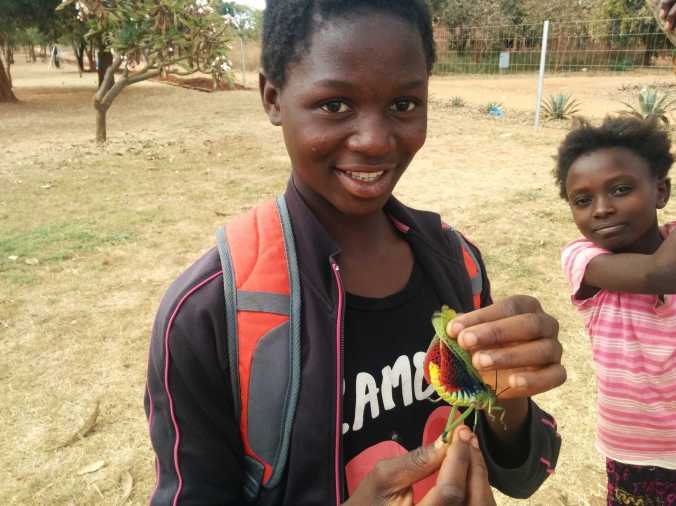
Baording at MICS is a little different too.
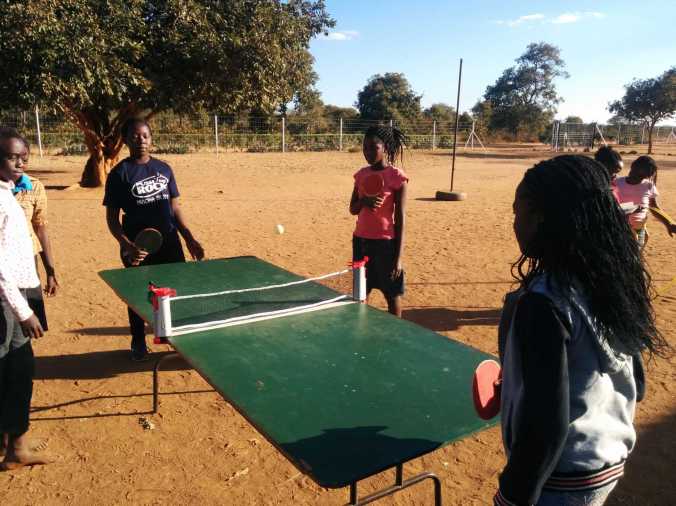
Free time after homework can include heading to PTR or playing sports on campus or finding a nice book or getting some tutoring.

These are some of the grade sevens I get to tutor.
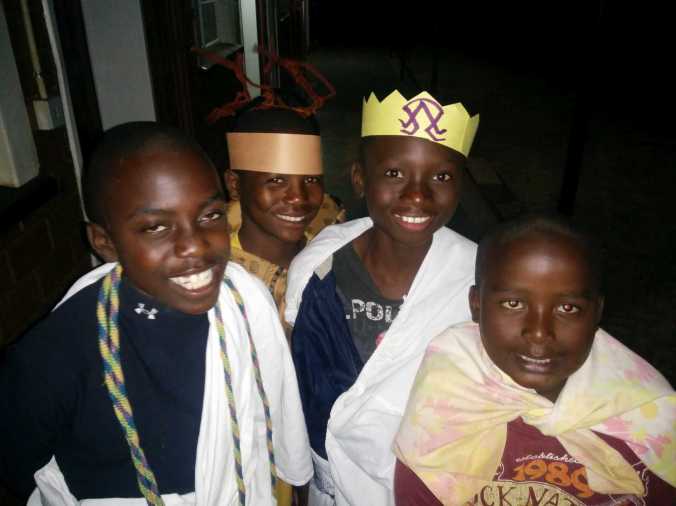
After dinner the boarders get to tell each other stories and have fun. I helped these boys get ready for a skit on the binding of Issac.
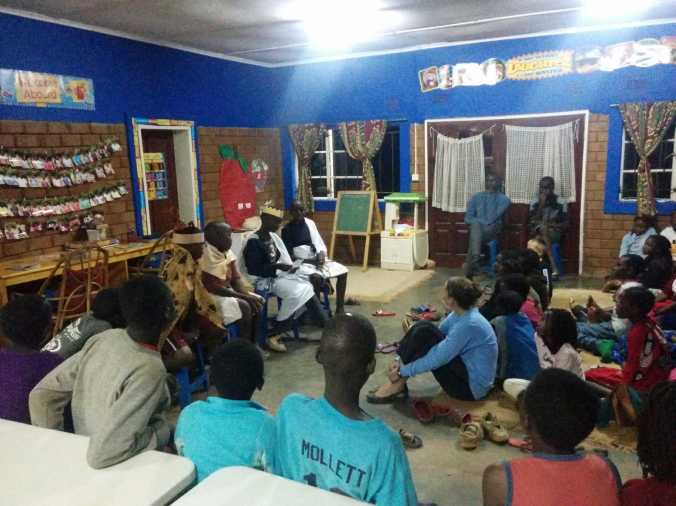
After their proformance they talked about it
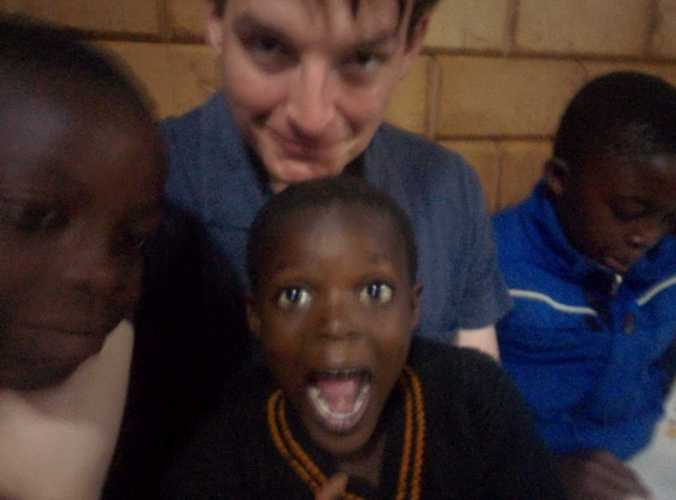
and we tried to listen carefully. Namacaw is far too much of a distraction during these times. lol
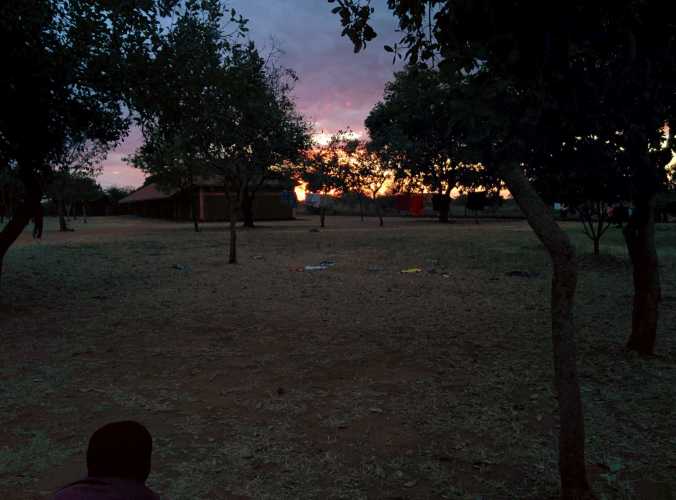
MICS really is a different kind of place in Macha.
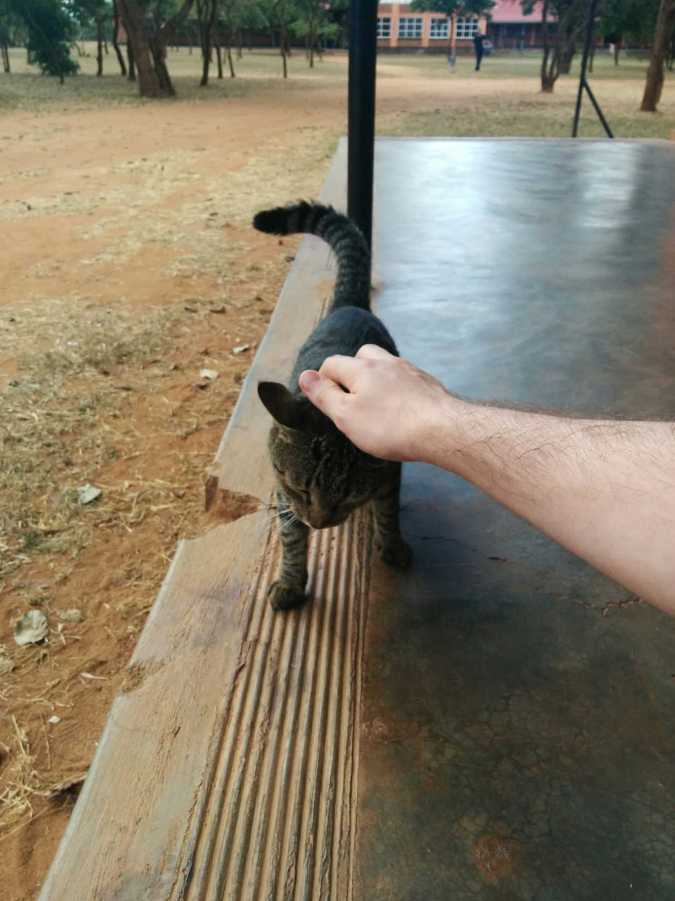
Those Cats I mentioned I hang out with at break
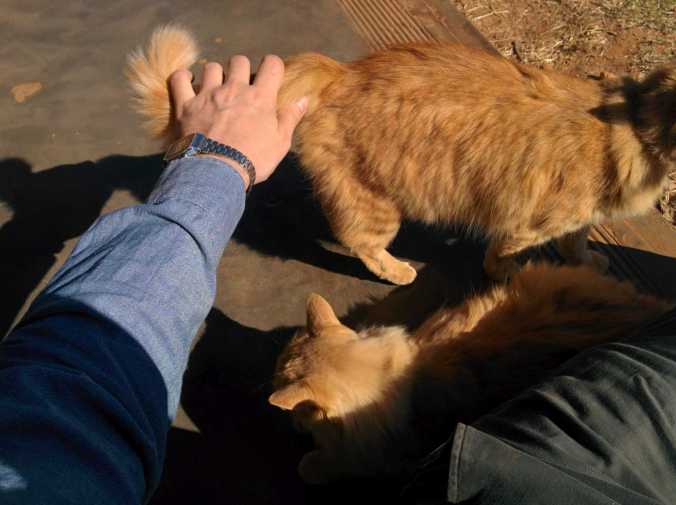
CAT TAX!
After reading in recces from 10:30 to 11:00 and the boarding students are given fresh buns to snack on. These buns are one of the highlights of the day; Delicious. I have taken to spending this time planting myself in the high traffic areas and just letting whoever wants to talk to me come up and do so. It makes for a very pleasant exchange most of the time. Sometimes when there is no one around I’ll just pet one of the cats milling about.
When we go back to school for the rest of the day I usually mark last week’s tests or that morning’s homework or whatever in class work they have been working through. I also contribute to the class when there is something the teacher is a little unsure about. Mr. Sikabali (sik-a-waldi) is a very good teacher who is engaging and funny but sometimes just doesn’t know the facts. He is not an outlier but that’s just the way school is in Zambia. If it’s not in the book or if the book is wrong (The atmosphere is 78% Nitrogen not oxygen!) then it is up to the teacher to know and that might not be the case.
Lunch is had at 1:00pm and that is when I knock off from the school part of my day and transition into the boarding chaperone part of my day. It is also when the pre-reception students go home so I get to spend some time talking with them as they wait for thire parents to show up. They are just beginning to learn English so I really like being able to help in a very small way by greeting them and asking them to tell me what they learned that morning.
This is also where I will knock off on this very long post. There was a lot to cover and I feel like I got through a good portion of my thoughts.
 Paul In Zambia
Wow Paul! I really enjoyed this post a lot. Thank you so much for sharing your experiences!
LikeLike
Good Sunday Morning from Toronto
Just wondering if you ever have time or feel like playing the guitar maybe at chapel even.
LikeLike
I have played in Chapel once and at evening devotions twice. I play for myself often but when the kids hear me they come over and I end up playing with them. I found a ukulele and I have been teaching some of the older ones to play it. They are taking to it quite quickly.
LikeLike
Hope you got my comments on the previous long post about your days in school. Really enjoyed tit
LikeLike
I did get it but unfortunately internet access is very unreliable here so I haven’t been able to respond as quickly as I’d like.
LikeLike
Wonderful !!!!
LikeLike
It sounds like your experience there (and now even yourself) are becoming invaluable.
LikeLike
Paul really miss hearing from you. Know you are busy but hope you can find some time soon. Glad your family were in touch from Limerick. We all miss you but are delighted to know you are involved in such meaningful work
LikeLike
Enjoyed your explanation of your experiences. I feel like I am experiencing MICS and Zambia all over again with added insight from you. Thanks.
LikeLike
I feel like it is a necessary part of my work here to try to help people back home understand some of the experiences I’m having. I’m glad you feel that it is working. Thank you!
LikeLike